Africa Moja Tours & Safaris for Wildlife Adventures
Uncover Namibia Tours and Safaris: Your Comprehensive Adventure Guide
Namibia is recognized as an exceptional destination for adventure seekers and wildlife enthusiasts. Its striking landscapes and rich biodiversity create an extraordinary setting for memorable adventures. From the majestic sand dunes of Sossusvlei to the sweeping plains of Etosha National Park, there is much to discover. Numerous safari choices are available to suit varying preferences and passions. The experience delivers not only spectacular vistas but also meaningful cultural immersion. What discoveries lie ahead for those who venture into this fascinating territory?
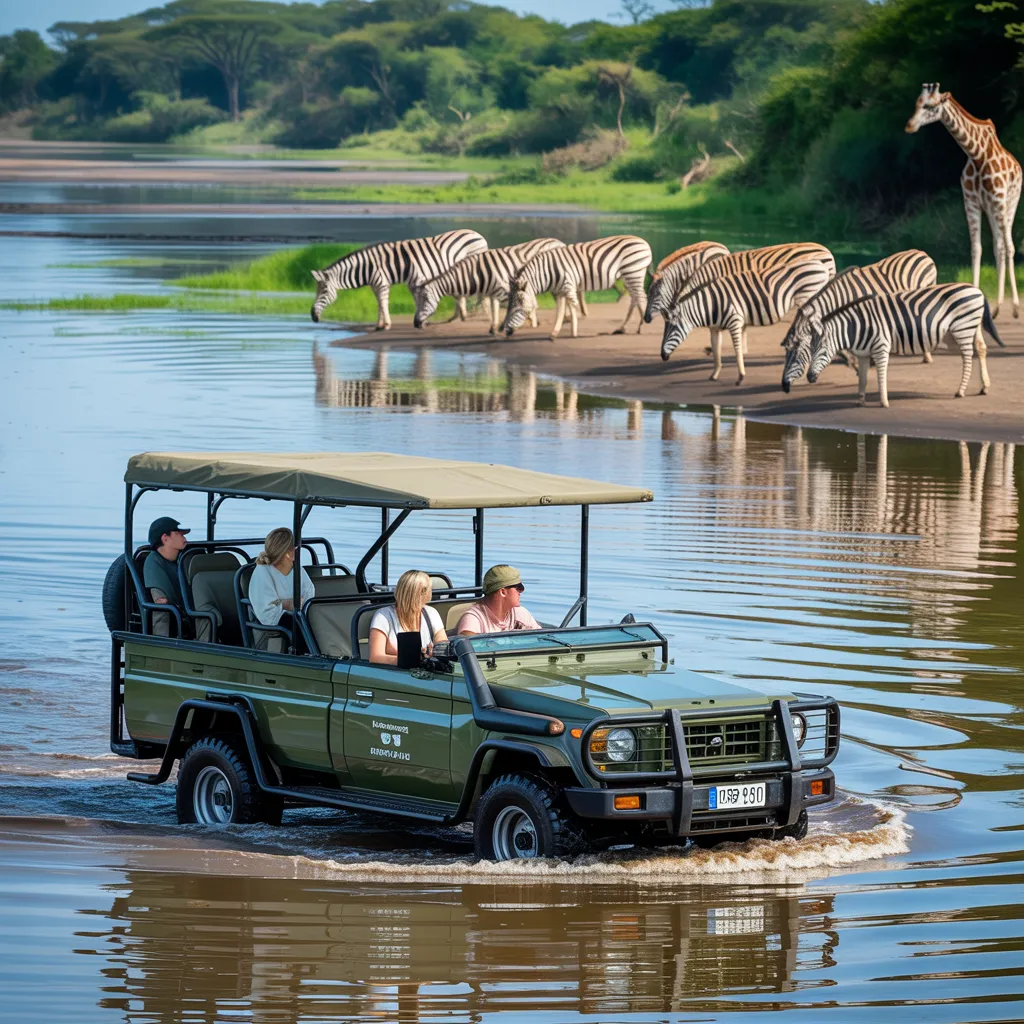
Best Places to Discover in Namibia
When planning a trip to Namibia, travelers will uncover a abundance of stunning destinations that highlight the country's varied landscapes and wildlife. The iconic Sossusvlei, with its soaring red dunes, encourages adventurers to experience the surreal beauty of the Namib Desert. Etosha National Park stands out for its remarkable wildlife viewing, showcasing elephants, lions, and rhinos that traverse its vast salt pans. The Skeleton Coast, with its striking shoreline and shipwrecks, provides a mysterious yet mesmerizing experience for nature enthusiasts. Damaraland, home to ancient rock art and the unique desert-adapted elephants, offers a glimpse of Namibia's fascinating cultural heritage. Additionally, the Fish River Canyon, a canyon of remarkable global significance, provides stunning hiking opportunities. Every one of these sites delivers a unique perspective on Namibia's natural wonders, positioning it as an exceptional option for travelers in search of adventure and exploration.
Optimal Times to Visit Namibia
What time of year offers the best experience for travelers to Namibia? The ideal period to visit this stunning country is during its dry season, which typically spans from May to October. In these months, the cooler temperatures make outdoor excursions and game viewing considerably more pleasant. Namibia's landscapes are particularly striking in the dry season, as the lack of rain enhances visibility and highlights the unique geological formations.
In contrast, the rainy season, from November to April, delivers warmer weather and periodic rainfall, resulting in lush vegetation and a vibrant atmosphere. However, wildlife becomes more difficult to encounter during this time, as creatures scatter across the landscape seeking hydration.
At the end of the day, the best time to visit Namibia is determined by travelers' priorities between wildlife viewing and discovering the country's rich, green landscapes. Every season provides a unique outlook on Namibia's breathtaking natural scenery.
Available Types of Safaris
Namibia offers an extensive variety of safari experiences that suit different interests and preferences. Thrill seekers can select from self-drive safaris, allowing for a customized exploration of the country's breathtaking landscapes, or guided expeditions led by experienced rangers, ensuring an educational experience. For visitors passionate about photography, exclusive photo safaris offer ample opportunities to document Namibia's spectacular vistas and diverse wildlife.
Upscale safaris, featuring lavish accommodations and exclusive access to private reserves, draw in guests who wish to combine luxury with exploration. Green safaris prioritize sustainability, concentrating on environmental protection while connecting travelers with Namibia's breathtaking wilderness. Cultural expeditions reveal the rich traditions of local communities, enriching the travel experience. Additionally, family-oriented safaris are designed to captivate young adventurers, creating lasting memories for travelers of all age groups. All safari varieties provide remarkable possibilities, positioning Namibia as an outstanding choice for adventure seekers worldwide.
Unique Wildlife Experiences
Examining Namibia's varied safari types naturally leads to exceptional wildlife experiences that are second to none in their diversity and depth. The destination's expansive landscapes, from the arid Namib Desert to the fertile wetlands of the Okavango, sustain habitats for an extraordinary array of wildlife. Guests can observe the iconic Big Five—lion, elephant, buffalo, leopard, and rhinoceros—in their wild settings, often during thrilling safari excursions or guided walking tours.
Moreover, Namibia is renowned for unique species such as the desert-roaming elephants and black rhinos of Damaraland. Avid birders can delight in spotting elusive avian species, including the breathtaking African fish eagle and the vibrant lilac-breasted roller. The nation's passion for conservation guarantees that these extraordinary wildlife encounters remain ecologically sound, giving explorers the chance to witness the beauty of nature while nurturing local ecosystems. Each safari adventure in Namibia is an occasion to immerse oneself in the wild and cherish nature's wonders.
Cultural Encounters and Local Communities
How do cultural encounters enrich the travel experience in Namibia? Interacting with local communities enables visitors to develop a richer appreciation of the country's varied cultural heritage. Namibia is home to several indigenous groups, including the Himba, San, and Damara, each with unique traditions, languages, and lifestyles. Guests regularly engage in time-honored ceremonies, discover ancient artisanal crafts, and enjoy authentic culinary traditions, cultivating deep and memorable connections.
These engagements not only enhance cultural appreciation but consult article also support local economies. Many community-based tourism initiatives guarantee that a portion of the proceeds directly benefits the communities involved, promoting sustainable practices. Visitors have the opportunity to observe the hardships and achievements of these local groups, acquiring valuable perspectives on their perseverance and flexibility amid a shifting global landscape. At their core, cultural interactions throughout Namibia elevate the travel experience, converting ordinary exploration into transformative experiences that leave a lasting impression long after travelers return home.
Important Packing Advice for Your Travel
When organizing a trip to Namibia, it is important to contemplate what items to pack for a relaxing and fulfilling experience. Visitors should opt for light, airy garments suitable for both sunny days and cooler nights. Neutral-colored attire are ideal to blend in with the magnificent surroundings while deterring unwanted insects. Robust hiking shoes are a must, particularly for those starting on safaris or venturing through natural parks.
Sun safety is paramount; as a result, packing a wide-brimmed hat, sunglasses, and high-SPF sunscreen is recommended. A refillable water bottle will help stay hydrated during excursions. Additionally, having a quality camera or smartphone with plenty of storage is vital for photographing the stunning landscapes and wildlife.
Tourists must remember to pack necessary hygiene products, a basic first aid kit, and any prescribed medicines. Additionally, a reliable power adapter compatible with Namibia's electrical outlets guarantees that gadgets keep functioning throughout the journey.
Recommended Tour Operators and Packages
Choosing the ideal tour operator can considerably elevate a tourist's journey in Namibia, as numerous operators present tailored packages that address different interests and budgets. Travelers looking for high-end experiences, companies like Wilderness Safaris deliver premium accommodations and unique opportunities in remote areas. Adventure enthusiasts may opt for agencies such as Chameleon Safaris, which concentrate on intimate group excursions and self-guided driving experiences, enabling a deeper connection with the natural surroundings.
When it comes to family-oriented excursions, Namibia Tours and Safaris presents extensive packages that include experiences that cater to all ages. Budget travelers can find affordable options through operators such as Eco Travel, which emphasize sustainable tourism while keeping costs low. Each provider showcases tailored itineraries, including highlights like Etosha National Park, the Namib Desert, and cultural experiences with local tribes. In the end, choosing a trustworthy tour operator is essential for a rewarding and remarkable adventure across Namibia's stunning scenery.
Popular Questions We Receive
How Much Does a Namibia Safari Tour Typically Cost?
The average cost of a Namibia safari tour generally falls from $150 to $500 USD per person per day, based on elements like accommodation, inclusions, and the specific activities chosen during the trip.
Are There Any Health Precautions for Traveling in Namibia?
Travelers to Namibia ought to look into inoculations for hepatitis A, typhoid, and malaria prophylaxis, particularly in remote regions. Staying hydrated, using insect repellent, and carrying a first-aid kit are equally advised for a safe journey.
What Kind of Visa Do You Need to Visit Namibia?
Tourists visiting Namibia are usually required to obtain a visa, which may be secured before arrival or at the point of entry, depending on the traveler's nationality. It's advisable to check specific visa regulations based on individual circumstances.
Is Solo Travel in Namibia Safe?
Namibia can be a safe destination for solo travelers, particularly for experienced travelers. Vigilance is recommended in metropolitan zones, as outlying territories present magnificent vistas and minimal dangers. Mindfulness and planning improve both security and pleasure throughout the journey.
Can I Rent a Vehicle for Self-Drive Safaris in Namibia?
Absolutely, visitors can rent vehicles for self-drive safaris in Namibia. Many vehicle rental companies supply a selection of alternatives, including off-road vehicles designed for the challenging terrain types, offering an adventurous and freedom-filled exploration.